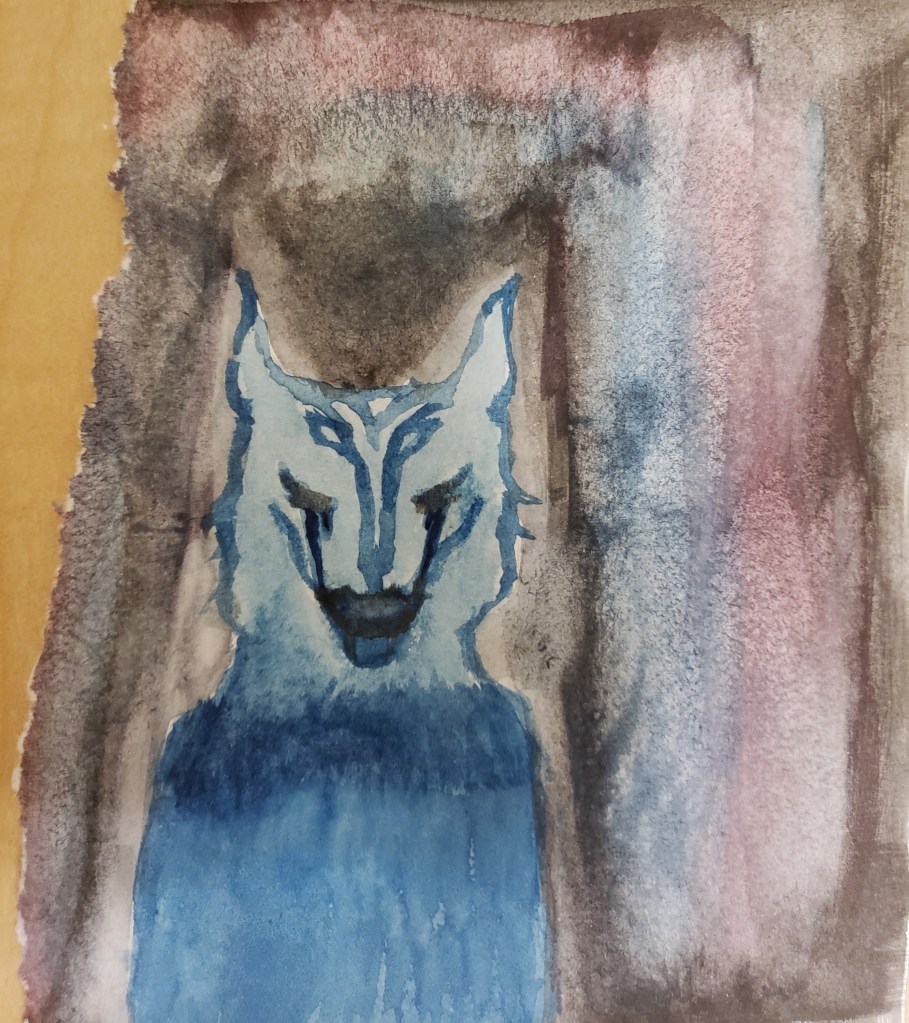
Art can be Shocking – Creativity in an Automatic State (?)

A wolf or something in watercolor. Can never tell where its eyes really are… I tried meditating into an automatic state, just enough to make this in, I don’t know, less than 5 minutes. I just know the pop song I was listening to was still playing as I ripped it out of the sketchbook.

You’ve probably heard of the term “ghost writer.” In a more literal sense, there have been incidents in the past where authors are seemingly possessed by a spirit as they are writing something. When they finish, the product seems to be quite unlike their usual work, in terms of quality or style. In most cases, this is actually just a method called Automatic writing. It is exactly as it sounds- an author will take a backseat in their consciousness and write anything and everything they feel like writing.

Now that that’s been introduced, this phenomenon can also occur during painting. Or drawing, or making music- anything creative, really. But have you ever heard of “cursed paintings”?

You guessed it.

WARNING: the following painting has been said to cause anxiety, insomnia, and paranoia for fear of being watched. There have even been reports by previous owners that after prolonged visual exposure to it, they have seen the one who is depicted in the painting in their own homes.

.

.

.

.

For goodness sake don’t look at it for too long and don’t save it to your phone I deleted this thing immediately after putting it on this post but I think you should know about just what in the world the automatic state can conjure up and put out there for others to witness.

.

.

.

.

Woman of the Rain, Svetlana Telets. She made this on a sunny day, and within such a short time for such a large painting. 5 hrs, I believe.

Paintings such as the one above were created during such experiences wherein the artist felt as if another hand was guiding them.

While a perfectly automatic experience is quite difficult to mimic, it is notable that an automatic state is a rather good basis for surrealistic art. Take Salvador Dali, for example.

You have to wonder if an artist was under the influence. But I must say, after making my first “automatic painting”, it’s really not like that. It’s an experience similar to getting on a taxi. Except you get on the taxi, say “Surprise me” not unlike that critic in the ending of Ratatouille, and then you watch the scenery go by and interpret the weather and make guesses on where you might end up. You dont know if it’s a good place or a bad place, you just know you’ll be somewhere quite soon.
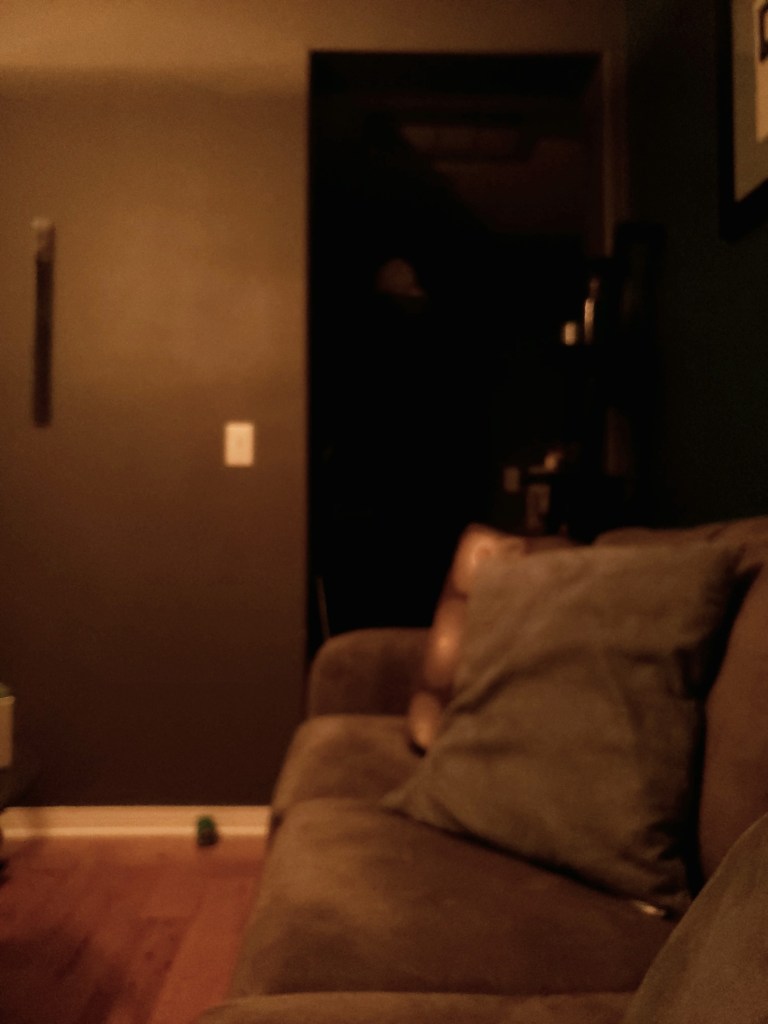
Photostory: The Music Room

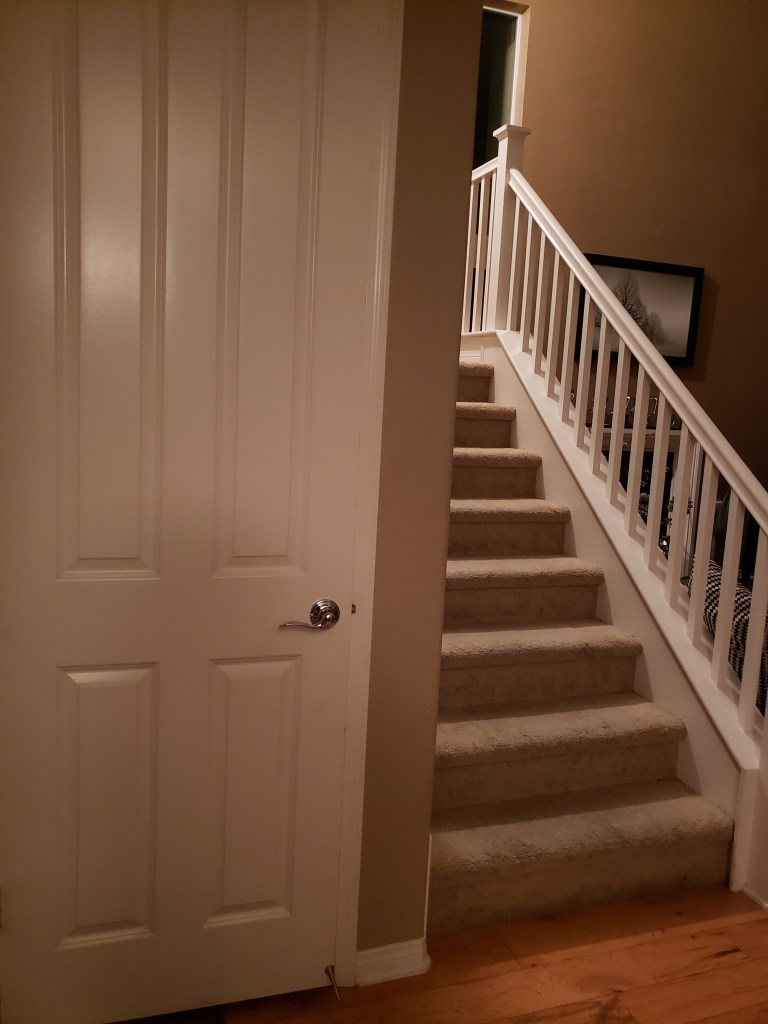
Entrance One. Purposefully blurred to express the discomfort I used to feel as a child whenever I’d glance at it out of the corner of my eye. It always felt like someone was in there. Not my best photo though; probably my worst.
Peripheral Vision of Entrance One. Is there someone there?
On the precipice of Entrance Two. The door is the cupboard under the stairs. There’s actually a living room to the right and a window that shows a view of the black hole that is the backyard, seeming that way because of the moonlight.
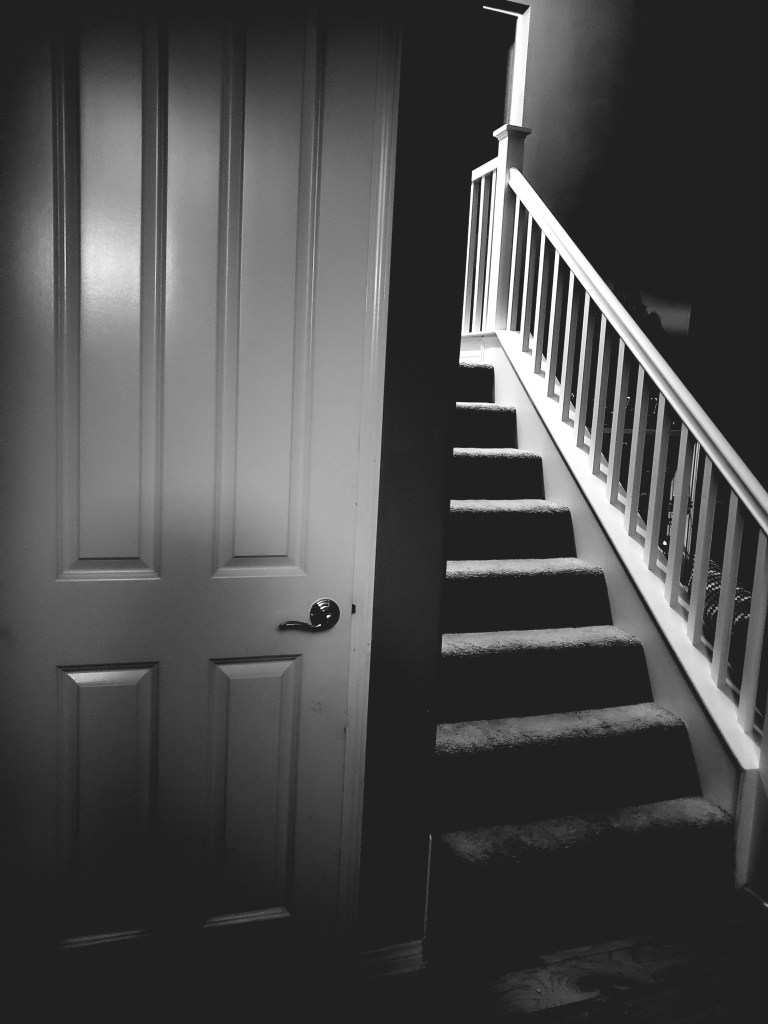
How it felt going up those stairs as a kid.
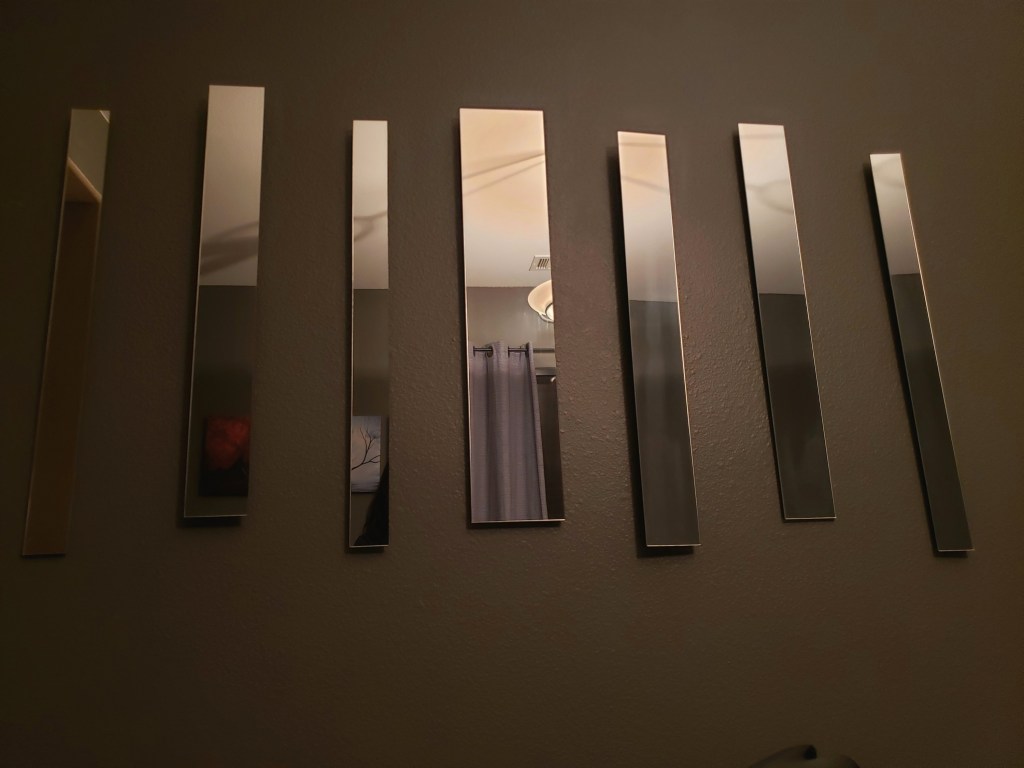
The mirrors that you don’t look at for too long.
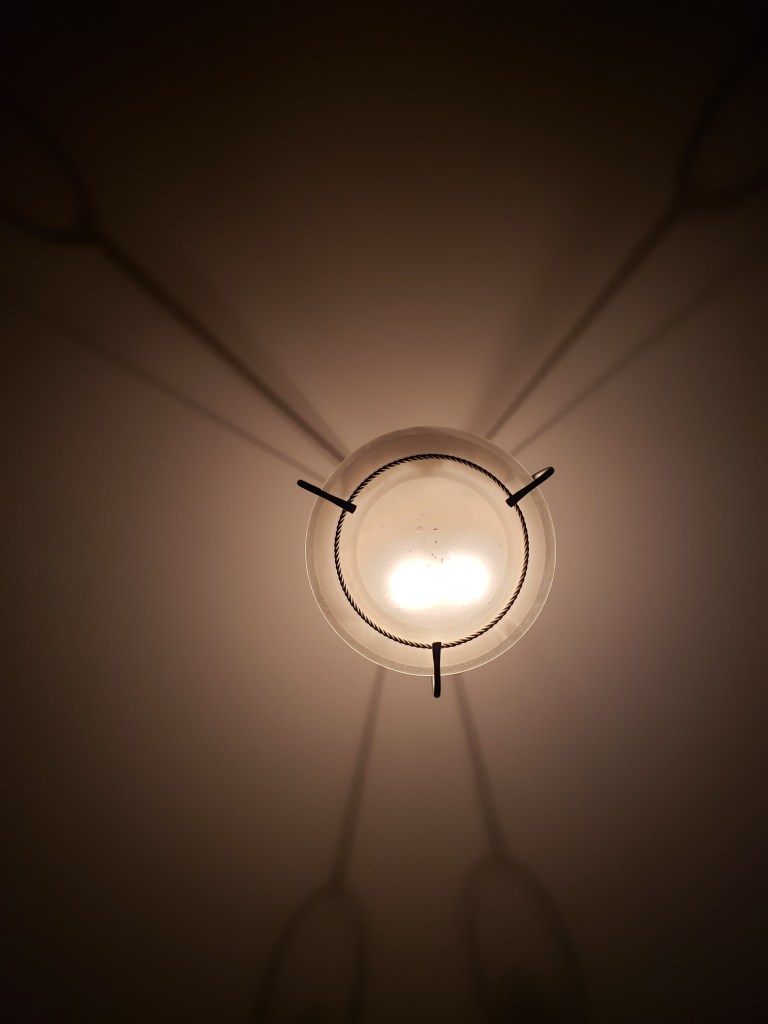
If I stare at the ceiling for too long it feels like I’m inside a lamp

There is a liminal space in my house, which everyone calls the “Music Room”

It’s more like a corner, but it’s where we practice playing our instruments. Staying up late at night to practice with my violin or guitar was a normal experience growing up, but while others were motivated by their passion or their parents or just the fact that they’re close to the front and don’t want to be seen by the whole school screwing up, I was rather motivated by my quite literal fear of the dark.

I developed a little game from this, back then, where as long as I kept playing, I could avoid having to cross the threshold into the silent, dark house. And that was fine by me, but I got too tired eventually and would end up sprinting to my room.

The Music Room doesn’t have any doors but two tall entrances that don’t reach the ceiling. the wider one opens to the front door and the stairs, and the thin one opens to the little space where dishes are kept and coats are hanged. Neither of these places are very special when you stand in them, but for some odd reason, sitting in the Music Room always had this effect of making these areas seem… foreign. Like when you’re on vacation, you stay in a hotel. Every floor looks nearly identical, you feel relatively aware of where you are and don’t necessarily feel the need to expect anything other than a hotel room when you open the door.

Except you get to the room and find it’s not a room at all. It’s another hallway, of what looks like an entirely different building- but no. It’s the hotel. It’s really, really weird to find a hallway where there should be a room, but you go in thinking maybe your room is in there.

But the real reason I call this room a liminal space is because it’s an unspoken rule that nobody ever turns the light on when it’s daytime, ever. You never look at your reflection in the mirrors and you certainly don’t touch them. Always be aware that when you play something, it can be heard on the front yard. Food, for some reason, always tastes better when eaten in there by yourself. If you curl up on the couch during the day nobody can find you unless you want them to.

The room feels very uncomfortable when you first step in, even now, but once you start doing something in it a great sense of self-awareness will overcome you. And leaving the room during the day feels like emerging from a pleasant nap.

Leaving it at night feels like emerging from a cabin into the woods.

Drinking and Drawing

Me. I more or less like drawing, it just puts me in a rather negative state of mind. But that’s only when I use the conventional paper and pencil. Using the back of my notebook was an anti-anxiety-caused-by-perfectionism method. Especially since there were no erasers allowed. And definitely, nobody’s born an artist (unless it’s performing arts), so practice helps. I’m a Pre-Speech-Language Pathology major and I cannot stress how absolutely invaluable drawing skills are when studying the human anatomy. If you have the patience, that is.

It makes sense that the less conventional the method, the less likely it seems that mistakes were made.

Drawing, completely unlike knitting, usually seems to draw out a great amount of

How should I call it

Mania in me. Not quite joy, or excitement, or rage. Something that is all too thrilled to tear through a blank surface with graphite or ink, and

Feels unnerved by every crooked line, every structural accuracy. It makes me feel like a careless wanderer. I haven’t been careless since I was a toddler.

But back to my initial point: there are merits to being a wanderer. Wandering away from the conventional, well-worn path into the dirt roads with weeds interfering every other meter.

It’s a lot livelier where the trees give the most shade and the beasts of the forest may greet you. It’s just you and the rest of the world being as it always is.

And I guess, you’re less likely to be a wanderer when you’re on the road to Rome. It’s always the conventional, four-horse-driven chariot with unchipped wheels taking you wherever everyone else ought to be going. Your to do list will be full until you pass away.

Which is as it should be, but every once in a while it’s not a bad idea to put Today: nothing .

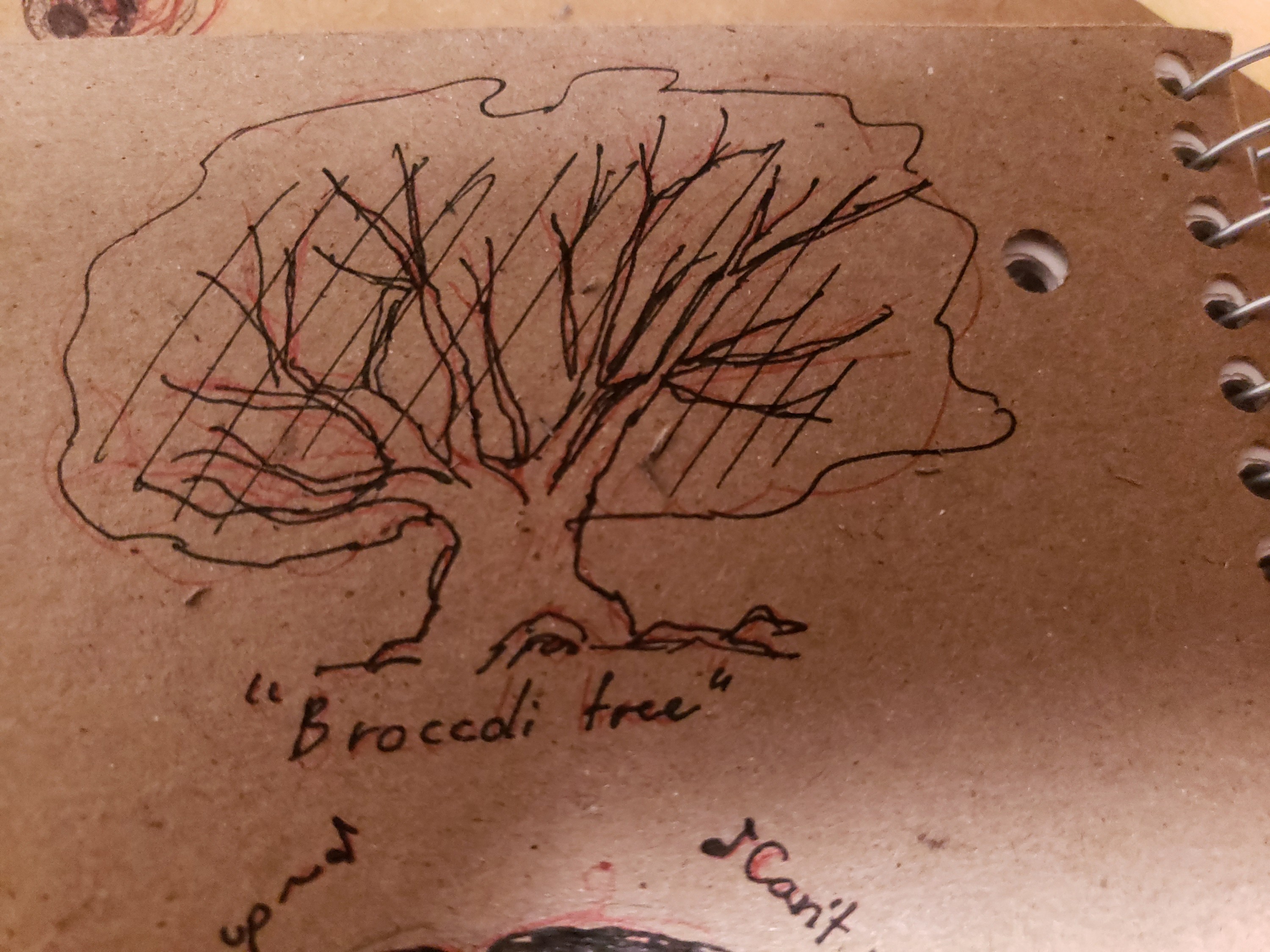
Where did the trunk go in those trees.
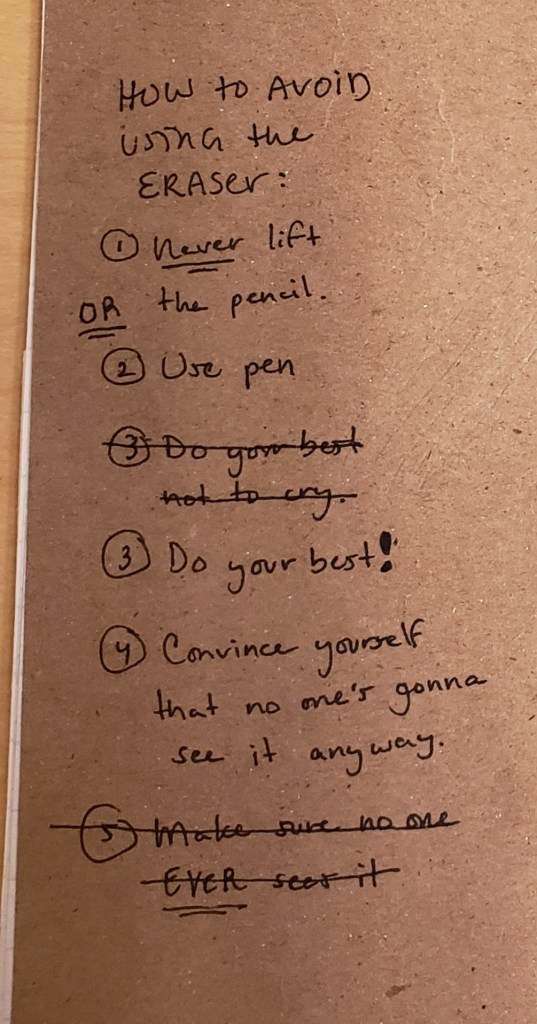
Use a pen or just never, ever lift the pencil. Do your best not to cry. Do your best. Try your hardest not to imagine how people will react if they see it. Convince yourself nobody will ever see it. Make sure no one ever sees it.

You Can Find Art Anywhere

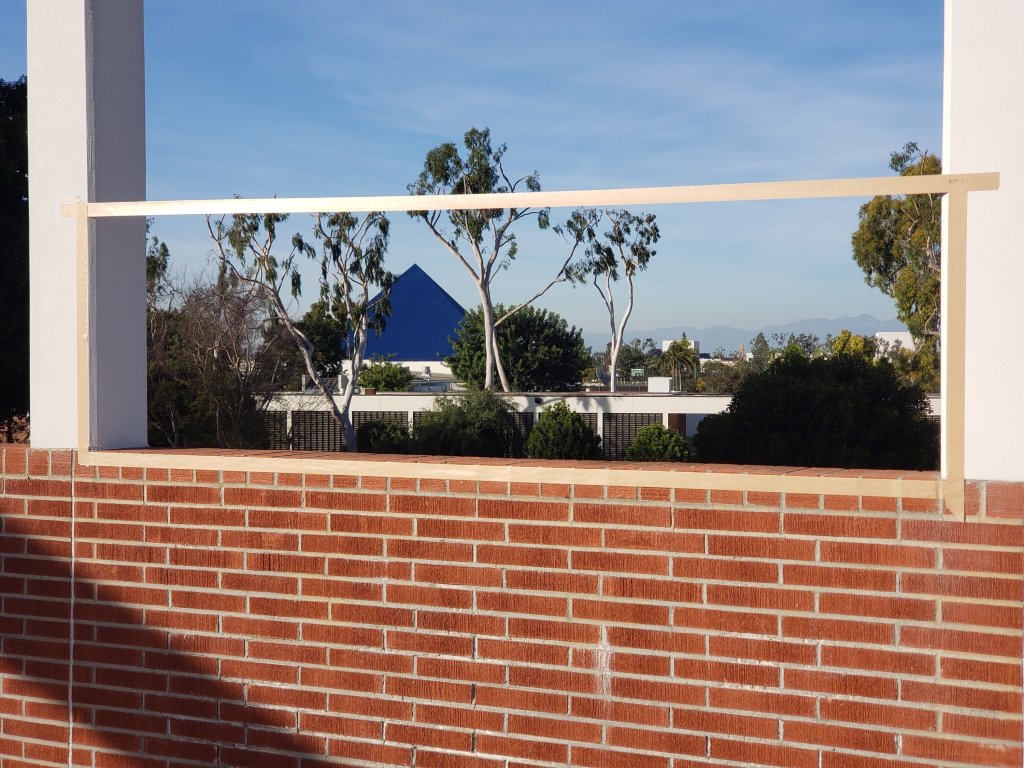
@ the balcony above the water tanks(?) near USU

The tape is meant to represent the borders- where the artist draws the line in their art piece. However, this doesn’t necessarily draw the line for the observer. Art, as discussed previously in the classroom, requires effort, and should make the observer think. Because the human mind is known for its innate ability to compartmentalize, we, as curators, needed to arrange this in order for the observer to obtain a certain frame of mind.

The observer doesn’t necessarily need to see things from our angle, they could’ve taken any stance and obtained a different viewpoint. But the vision itself consisted of primarily 3 colors: green, white, and blue. Blue is often a symbol of infinity, green of nature, and white of purity. In some cases purity can mean destruction, like the burning chains of order bringing us closer to the end of entropy (although now that I think on it, the end of entropy is when all of the stars die and total darkness consumes the universe), and given the fact that many of the green things in this piece are partnered with white, they may disappear one day, and in the distant future only the blue will remain.

Again, there are many other angles to observe this piece from.

Abstract Finger Painting

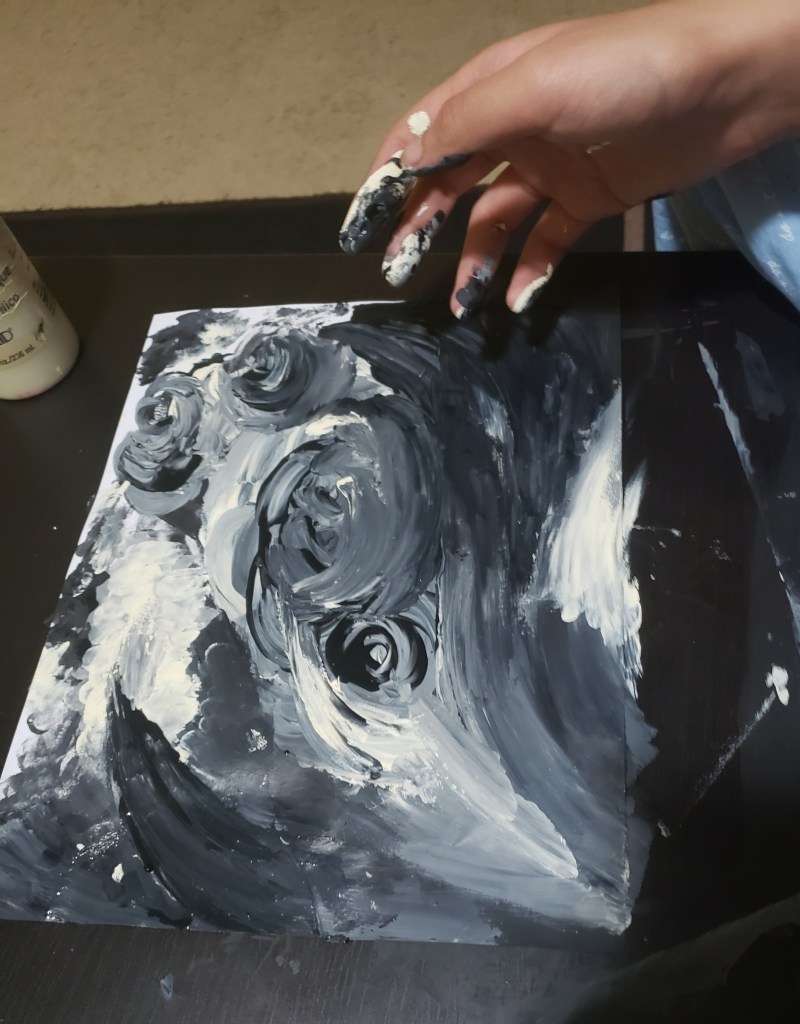
Painting something abstract was really rather liberating, and not at all confusing if you just let your fingers do the work. Liberating, due to it’s mindlessness. Not to mention the lack of any color helped to further encourage the mindless paint rubbing. But I wouldn’t say it wasn’t like art, because, taken from personal experience, this felt a lot like I was knitting something. I have to keep going, and find peace in the fact that I won’t understand what I’ve created until it’s done.

Maintenance Art pt 3

“Women’s Work is Also Art”

According to traditional gender roles, the work of women is meant to be, as J-Lo says, “Mama”. The emotionally driven, caring, soft industry of jobs all too similar to mothering. A secretary cares for their boss, a nurse cares for patients, a teacher cares for the students. All because, according to traditional gender roles, the work of men is never meant to be emotionally driven. Stoic, critical, immovable, and dignified in ways that women were never supposed to be capable of understanding. That is the reason why women, who were apparently, according to these traditional gender roles, were practically made to care for others being Mothers and all, the professional jobs of caretaking would be perfect for them. Of course, today it isn’t the case anymore in most places that exist on this planet.

Most places.

This is perhaps the reason why “Also” is included in the idea. Now we shall remove it.

The work of caregiving is a highly subjective activity. Good, proper caretaking must always involve subjecting yourself to sympathy and empathy, and ensuring the one receiving care certainly feels at the very minimum cared about. And the one receiving care should be able to grow, and be much like a blooming plant under proper care.

Art is a subjective activity. The figurative shedding of blood, sweat, and tears surely reveals how much an artist cares about their work.

That is why women’s work is an art.

Maintenance Art pt. 2

At what point does something become artistic? Once it’s displayed, up for observation? Does it require a certain environment? A certain pizzazz?

This is where I draw the line, because a question like this requires a serious answer. Artists have proven time and again that art has little to no boundaries. Richard Serra flinging molten lead at a wall in a musem using a metal rod. Mierle Laderman cleaning the steps of an art musem in a display of maintenance art. Sala Murat’s artwork being mistaken for trash.

These are examples of artwork that did not (and probably would not have) become art all on their own, but relied on the artist in their ascension from simple bits and bobs.

Art has always been a subjective process in terms of the figurative (though sometimes literal) blood, sweat, and tears that go into making the piece of art. The emotions and thoughts that the artist subject their artwork to, or rather, that the artist is subjected to, is reflected back into whoever witnesses it. There’s color and symbolism, even a name to the picture. With the uniqueness of a thumbprint.

But if even that explanation still doesnt really hit home, I agree. So say, for example, a student came in one day and stood behind the lectern, took the mic, and left. Sprinted out of there. At the moment it might seem rather bizarre and “you can’t do that!” or “that’s destruction of property, I’m calling the authorities!!” but there’s a name to the face, to the action and how simply it was done. And maybe later we’ll all look back and talk about it with enthusiasm.

*disclaimer that I am not actively encouraging nor remotely insinuating that this becomes an incident in the future this is just a terrible excuse for a simile.

Maintenance Art @ NOW pt. 1

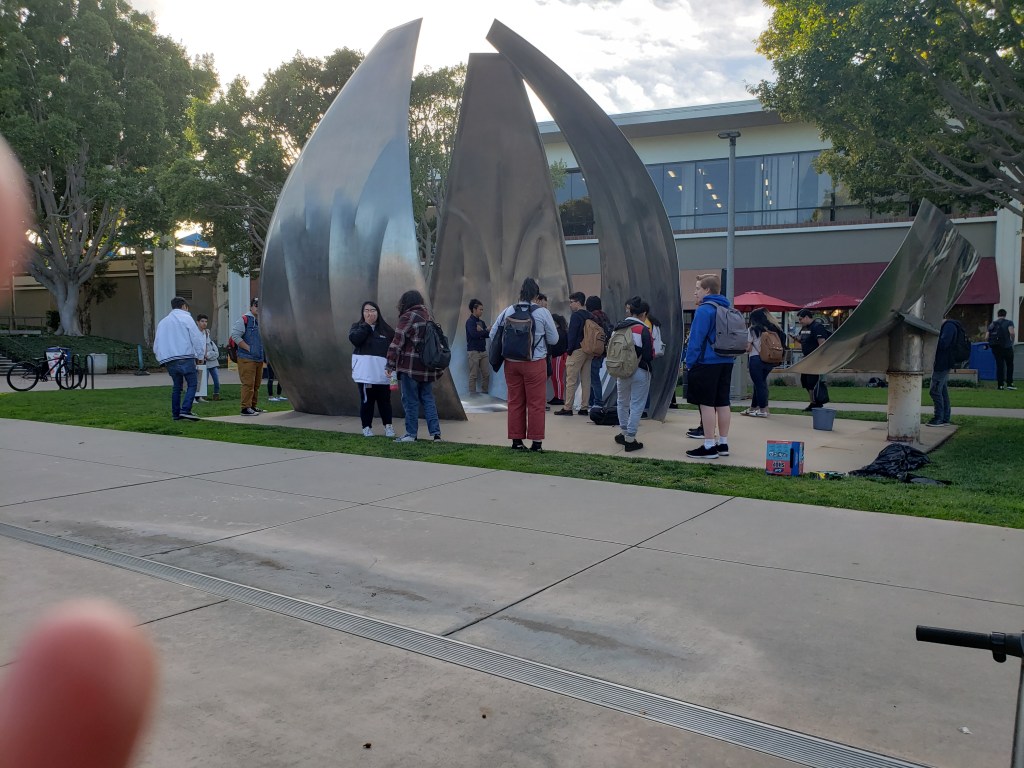
NOW, 1965, Piotr Kowalski

Because while being “clean” is a term defined in the dictionary, not everyone has the same definition for it.

Whether or not something is clean is really up to those cleaning it, and even more so those using it. Which brings up the question:

Should we willingly accept that this is a whale, checkmark?

It was after the scrubbing nearly every surface we could reach- and even with the advantage of being 5’8″, I’ve gotta say that it was rather high maintenance- and the bucket had run out of clean soap water, the bar was raised (although some soap would’ve helped). After sweeping every inch of that sculpture, and seeing every detail, would it really be right to just say the tail, the head, the fins, check?

It’s time to come clean. NOW was never truly meant to be tied down to a single thing. Every moment that it is present is meant to define it, even the moments where it was a whale, or a, strange, shiny, object in the distance. It retains a checkered past, with a likely similar future, but NOW is ever-changing.

Design a site like this with WordPress.com
Get started